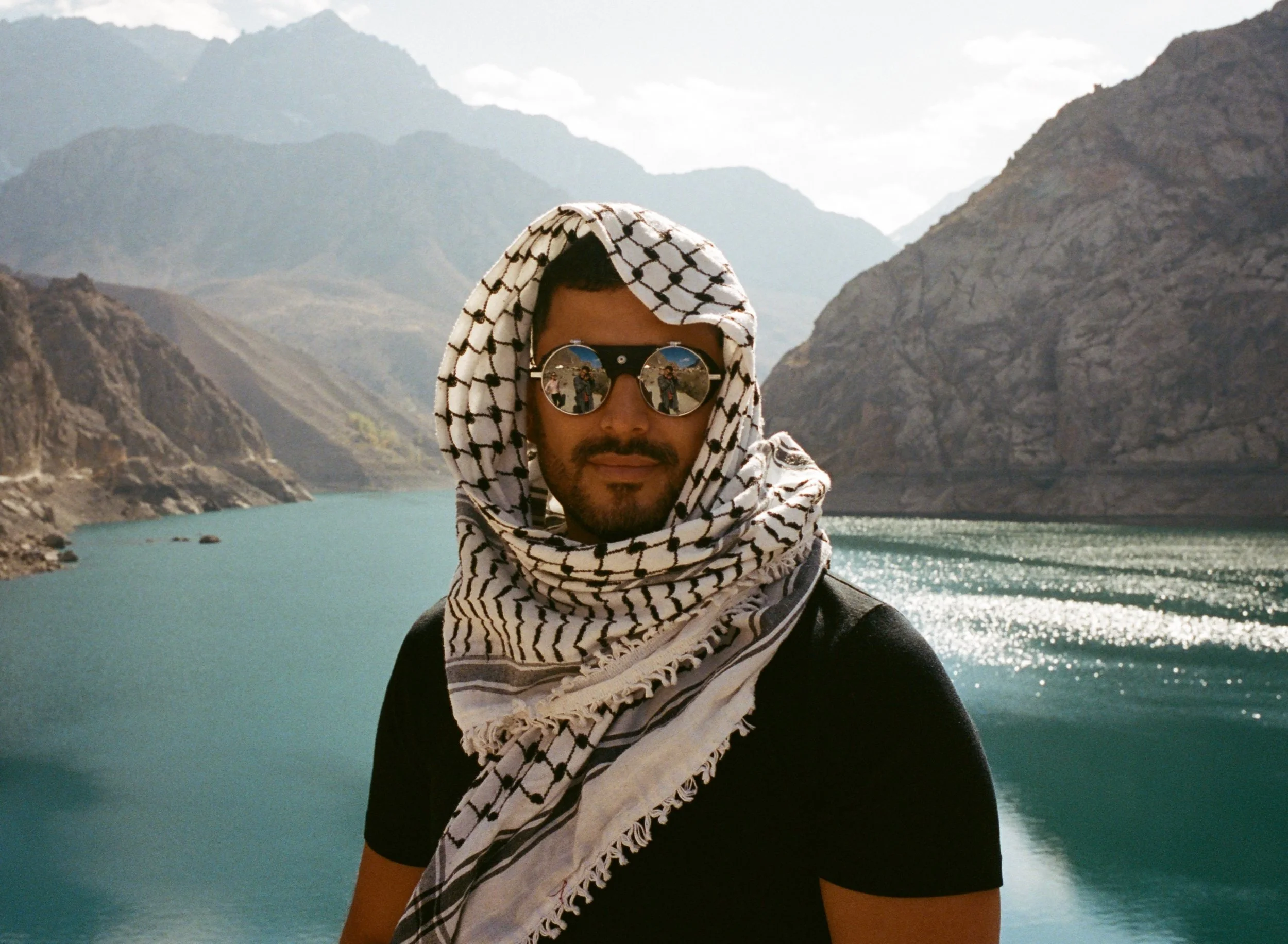
Why You Should Travel Egypt with Us (Egyptians!)
By Abdul DremaliPublished August 22, 2026 (updated October 23, 2026)6 min read
Egypt is fully doable on your own, but it can be a challenging country to navigate solo if you want to get beneath the surface. Exploring alongside native hosts takes the friction out of the logistics: you bypass generic tourist markups, support local families directly rather than multinational agencies, and step into everyday Egyptian hospitality as an invited guest.

Key facts
- Ground team leadership
- 100% Egyptian-owned and Cairo-operated
- Group size limit
- Strictly 10 to 12 guests per expedition
- Guiding standard
- Native Egyptologists licensed with the Ministry of Tourism
- Community spend
- Direct contracts with independent captains, drivers, and family cafes
- Commission shopping policy
- Zero forced factory stops (alabaster, papyrus, perfume)
- Signature experience
- Authentic home-cooked family dinner at our Cairo apartment
- Tipping support
- Clear guidance on local baksheesh so tipping feels natural and rewarding
Egypt is not merely an open-air warehouse of carved limestone, golden funerary masks, and ancient pharaonic tombs. It is a living, breathing nation of more than 100 million people, home to unmatched wit, generational warmth, and an ancient culture of hospitality that predates most modern civilizations.
Many travelers wonder whether they should travel Egypt independently or join a curated group. You can definitely travel Egypt solo. If you are comfortable negotiating cab fares, navigating bustling train stations, and managing the daily push-and-pull of high-density markets, independent travel is fully possible.
Yet Egypt can also be a challenging place to navigate alone if your goal is to truly unwind and absorb the culture. Many visitors leave feeling fatigued not by the ancient temples, but by the relentless logistics: coordinating trains, dodging overpriced souvenir stalls, figuring out who and when to tip, or getting trapped inside the sterile bubble of a generic 50-person tour bus.
There is a fundamentally better way to experience this country. You can experience Egypt through the eyes of the people who belong here: dining at genuine neighborhood tables, navigating ancient alleys with cultural fluency, and walking into historic quarters as an honored guest rather than an unfamiliar visitor.
When you explore Egypt with Egyptians who speak the language, understand the social fabric, and maintain deep generational ties to their neighborhoods, everything softens. You transition from an outsider deciphering cues to a Dayf (an honored guest), welcomed into daily life with genuine care.
Here is why local, heritage-led travel changes both your personal journey and the lives of the communities who welcome you.
1. Where does your money actually go? Addressing tourism leakage
In the international travel industry, economists study a damaging phenomenon known as tourism leakage.
When an international traveler books a package holiday through a massive multinational conglomerate, between 60% and 80% of the total vacation spend leaves the host country. Capital flows into overseas corporate headquarters, global marketing firms, foreign airline consolidators, and international hotel chains. By the time the remaining funds reach Egypt, only a minor fraction reaches the drivers, site caretakers, and boat crews who perform the real physical labor.
At Starlight Voyages, we reject that extractive model. Egypt is my heritage and my family's home. We designed our entire operational infrastructure around direct, equitable community partnerships:
- 100% local ground leadership: We partner directly with our dedicated Cairo-based ground operations team. We do not use third-party aggregator brokers. Every driver, logistics coordinator, and operations lead lives and works in Egypt.
- Direct community spending: When we sail the Nile, we charter independent local felucca and motorboat captains rather than corporate cruise fleets. When we pause for lunch, we choose authentic, family-owned neighborhood establishments over bland hotel banquet halls.
- Equitable, transparent compensation: We compensate our licensed Egyptologists, drivers, and operations personnel fairly and reliably. That capital flows directly to supporting households in Cairo, Giza, Luxor, Aswan, and Nubia.
When you bypass foreign travel corporations, your travel investment directly builds stability for real Egyptian working families.
| Travel Model | Percentage Staying in Egypt | Who Receives Your Money | Ground Impact |
|---|---|---|---|
| Multinational Mega-Tour | Estimated 20% to 35% | Overseas holding firms, foreign booking portals | Low ground wages, rushed stops, high markups |
| Local Heritage Expedition | 100% of Ground Spend | Local drivers, independent boat captains, native guides | Direct family support, fair living wages, authentic access |
2. Navigating the street scene with cultural ease
First-time visitors often feel a bit intimidated by the energy around major monuments, the spirited haggling in bazaars, and persistent souvenir sellers. Most of this street hustle is simply driven by tough economic conditions and currency inflation, but trying to navigate it on your own without language cues can take energy away from your trip.
Walking through historic quarters alongside an Egyptian host transforms that dynamic:
- Effortless, polite boundary setting: Walking through Khan el-Khalili, the Giza Plateau, or the West Bank of Luxor with a native speaker provides a calm, natural buffer. A gentle, culturally attuned Arabic phrase ("La Shukran, ya basha", meaning "No thank you, brother") sets an immediate boundary with warmth, avoiding friction and unnecessary sales pitches.
- Honest market pricing: You will not pay 500% tourist markups for natural perfumes, regional spices, or hand-woven linens. Your hosts know genuine local value and ensure merchants treat you with respect and fairness.
- Zero forced commercial shopping stops: Mass tour buses routinely spend two hours a day at high-commission "perfume palaces" or fake papyrus galleries that pay 30% to 50% kickbacks to tour companies. We ban commercial kickback stops entirely. We spend that time in the shadow of ancient monuments or relaxing in neighborhood cafes.
- Demystifying baksheesh (tipping): Tipping (baksheesh) is an integral, customary part of Egyptian life, expressing appreciation for drivers, luggage handlers, felucca crews, and temple guardians. Rather than letting it feel awkward or confusing, we guide you on how it works, handle collective logistics, and help you tip naturally so it feels rewarding rather than stressful.

Explore ancient Egypt with our local family
Our small-group flagship journeys take 10 to 12 travelers through Cairo, the Pyramids, Luxor, and the Nile with our Cairo-based ground team, licensed Egyptologists, and a private family dinner.
See the February 2027 Egypt Tour3. Real culinary culture: eating beyond the tourist buffet
Standard mass tours confine travelers to generic hotel buffets, serving bland Western adaptations of food that taste nothing like authentic Egyptian cooking. You move from an air-conditioned bus directly into a hotel dining room, rarely encountering the flavors that define daily life.
Traveling with Egyptians breaks that bubble immediately.
We introduce you to the dishes Egyptians actually celebrate:
- Authentic Koshary: Egypt's national comfort food: a layered bowl of spiced lentils, rice, macaroni, and chickpeas topped with sweet caramelized onions, rich garlicky tomato reduction, and fiery da'ah chili sauce.
- Fresh Ta'ameya: Egyptian falafel crafted entirely from fava beans and fresh herbs rather than chickpeas, resulting in an emerald-green, exceptionally fluffy interior and a crispy sesame-crusted exterior.
- Traditional Ahwas (Street Cafes): Sitting along quiet neighborhood alleys sipping freshly brewed mint tea or tart, chilled hibiscus (Karkadeh) while playing backgammon (tawla) and listening to classic Umm Kulthum melodies drift through the air.
Food in Egypt is an act of communion. When you sit at a local table, you hear stories about family dynamics, Egyptian wit, classical cinema, and the rhythm of daily life.
4. Ancient history told by those who inherited it
There is a profound difference between hearing a generic script read from an overseas tour leader and studying monuments alongside a native Egyptologist licensed by the Egyptian Ministry of Tourism.
To our local Egyptologists, the tombs of the Valley of the Kings, the hypostyle halls of Karnak, and the mortuary temples of Luxor are not just archaeological curiosities; they are their ancestral heritage.
Our guides explain:
- How ancient architectural principles and astrological alignments continue to influence modern Egyptian village layouts.
- How ancient festive celebrations and harvest rituals still echo in contemporary Egyptian folklore and regional holidays.
- How to navigate sacred mosques, historic Coptic churches, and rural villages with complete respect for local religious customs, dress etiquette, and community traditions.

5. Ahlan wa Sahlan: you are family
In Egyptian culture, hospitality is not an industry; it is a sacred obligation. The traditional greeting Ahlan wa Sahlan carries a depth far beyond a casual "welcome." Its roots translate roughly to: "You have arrived among your family, and you have stepped onto easy, welcoming ground."
I founded Starlight Voyages to share Egypt the way it deserves to be experienced. We deliberately cap our group expeditions at 10 to 12 travelers. We refuse to herd dozens of travelers onto massive coach buses or rush through ancient temples on rigid countdown timers.
Because our groups remain intimate, we can welcome you into our family's Cairo home for a traditional dinner prepared by my aunts and cousins: slow-braised meats, fragrant stuffed grape leaves (mahshi), fresh flatbread straight from the oven, and sweet honeyed desserts.
When you join our expeditions, you do not visit Egypt as a spectator peering through tinted glass. You walk this land with people who know it, love it, and take personal pride in sharing its wonders.

Frequently asked questions
Can you travel Egypt solo, or should you book an expedition?
You can absolutely travel Egypt solo. Many independent travelers do, and with patience and street smarts, it is completely manageable. An expedition is for travelers who want to skip the daily logistical friction: hiring private drivers, negotiating taxi rates, planning transit between ancient sites, and deciphering unfamiliar social cues. Traveling with local hosts gives you a richer, deeply relaxed cultural immersion without spending half your day managing logistics.
Why book with an Egyptian-led boutique team instead of a global tour operator?
Global corporate tour operators typically subcontract their itineraries to low-bidding third-party aggregators, sending up to 70% of tour profits out of Egypt. A boutique team run by Egyptians keeps ground spending inside the local economy, directly employing vetted local drivers, independent boat captains, and licensed native Egyptologists.
How does having a local host change street interactions?
Having native Egyptian hosts creates a natural cultural buffer. Vendors and street merchants recognize local speech and social etiquette; a calm, polite phrase in Egyptian Arabic sets clear boundaries with warmth, allowing you to walk through markets and ancient sites as an honored guest rather than an unfamiliar target for high prices.
How does tipping (baksheesh) work on your trips?
Tipping is a normal, customary part of Egyptian life, from hotel staff to felucca boatmen and temple guardians. Rather than letting tipping feel intimidating, we guide you through the cultural norms, handle collective logistical tips, and make sure you feel completely comfortable rewarding the people who make your journey special.
What are commercial commission shopping stops, and why do you skip them?
Large tour buses routinely spend two to three hours a day shepherding guests into tourist-only papyrus factories, alabaster shops, and perfume galleries that pay the bus operator 30% to 50% kickbacks on inflated purchases. We ban commercial commission stops entirely, allocating that time to deeper site exploration or relaxing at authentic neighborhood cafes.
Travel Egypt with Starlight Voyages
Nine days through Cairo, Giza, Saqqara, Aswan, Abu Simbel, and Luxor with a three-night Nile cruise. Led by Abdul Dremali, supported by our native Cairo ground team, and hosted with genuine Egyptian hospitality.
See the February 2027 Egypt TourPrefer to travel on your own dates or with your own group?Plan private
Private Itineraries, Built Around You
We plan and run custom private journeys for couples, families, and private circles. You choose the dates, the pace, and the focus.
- Your own private team: Dedicated air-conditioned transport and licensed local guides.
- No set group dates: Designed entirely around your schedule and season.
- Families welcome: All ages welcome on private departures (group tours are 18+).
- Hosted or independent: Personally hosted by Abdul and Anna, or privately run by our vetted local team.
Get the next guide first

Egyptian cultural insights, heritage dispatches, and small-group expedition dates from Starlight Voyages.
We only use your email to share Starlight Voyages news.